
Attic Fan Installation or Replacement
A Smart Update for Comfort and Efficiency
If your home feels stuffy in summer or your energy bills spike, an attic fan might be the missing piece. Installing or replacing an attic fan can enhance ventilation, lower attic temperatures, and reduce cooling costs. Here’s a practical guide to help you decide, plan, and execute.
Why install or replace an attic fan?
Heat reduction: An attic fan pulls hot air out of the attic, lowering ceiling temperatures and easing the load on your air conditioning.
Moisture control: Proper attic ventilation prevents humidity buildup, protecting insulation, wood, and stored belongings.
Energy savings: Attic fans are typically inexpensive to run compared to central AC, especially when paired with soffit vents and ridge or roof vents.
Quick payoff: A typical installation or replacement can be completed in a weekend for many homes.
Types of attic fans
Whole-house attic fan:
Mounted in the attic ceiling, it exhausts hot air and draws in cooler outdoor air through soffit vents.
Roof-mounted attic fan:
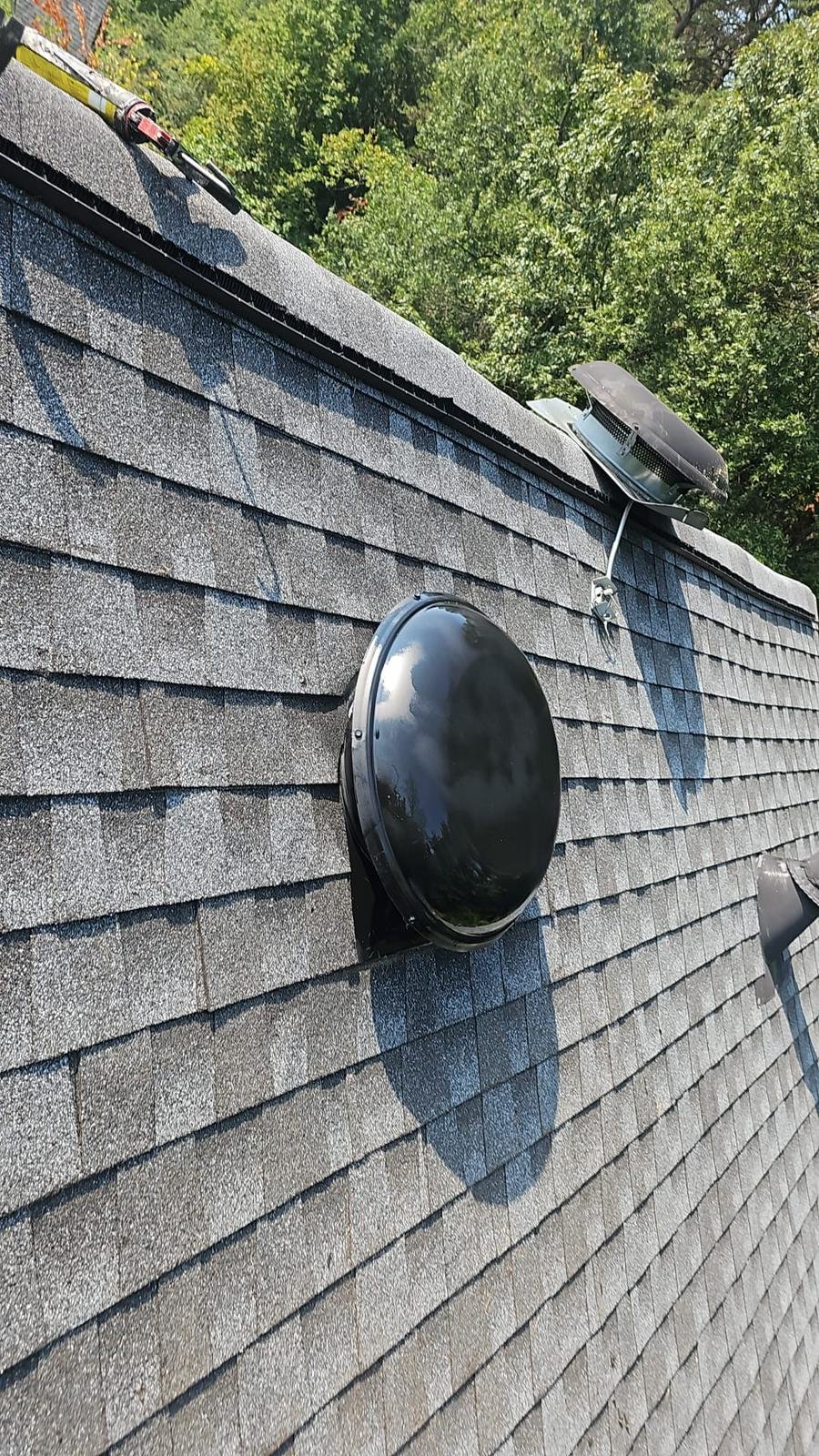
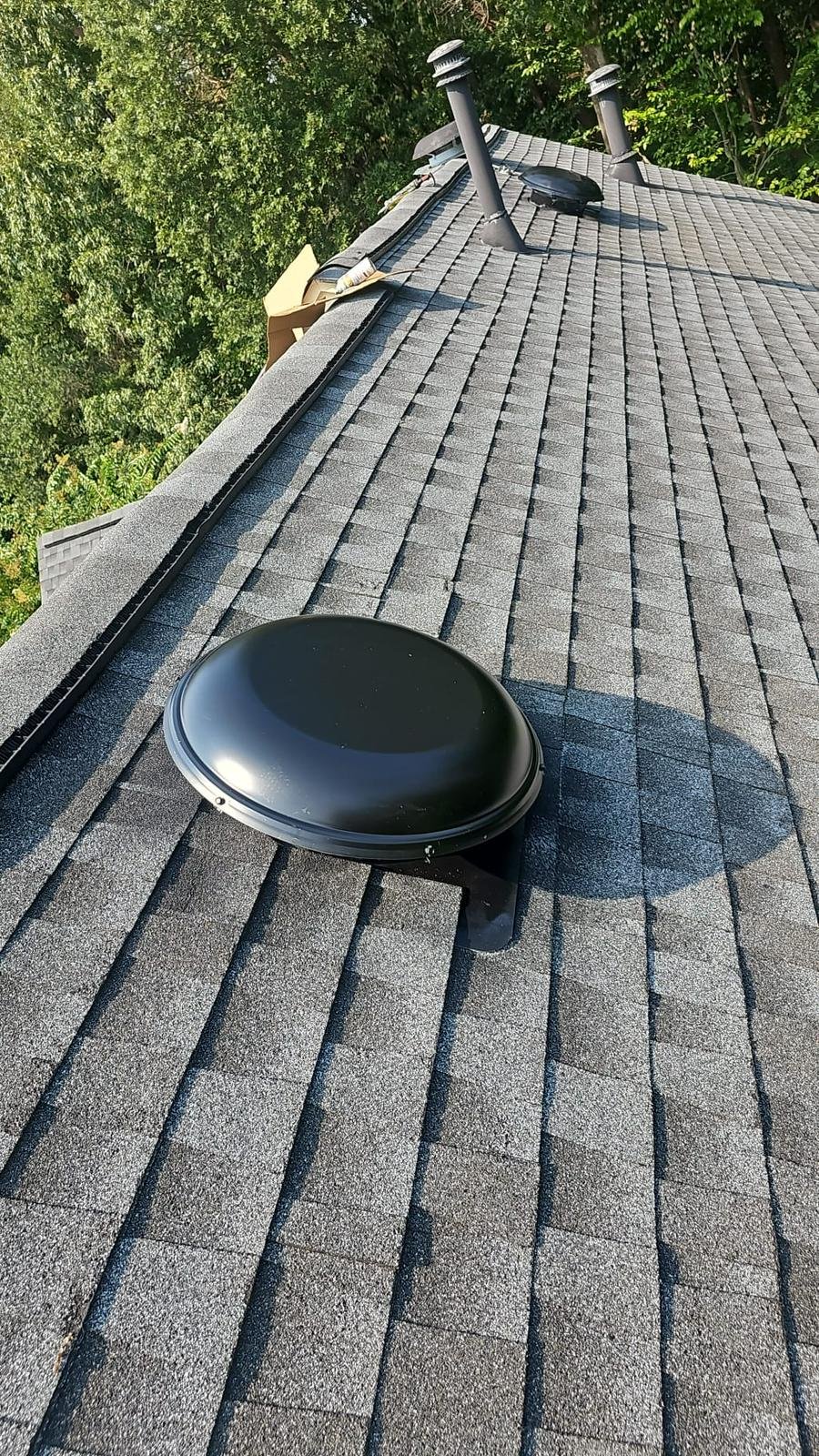
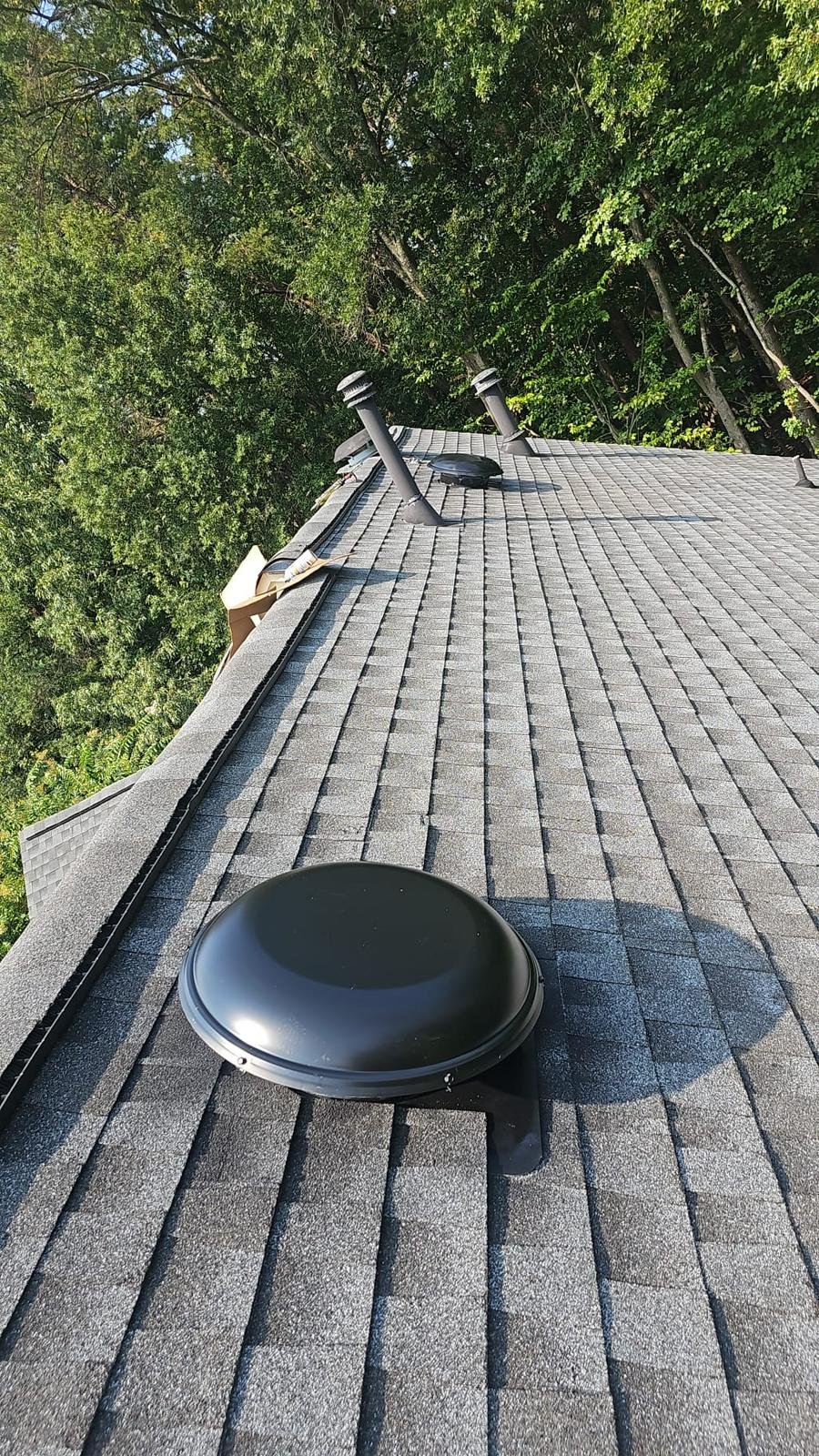
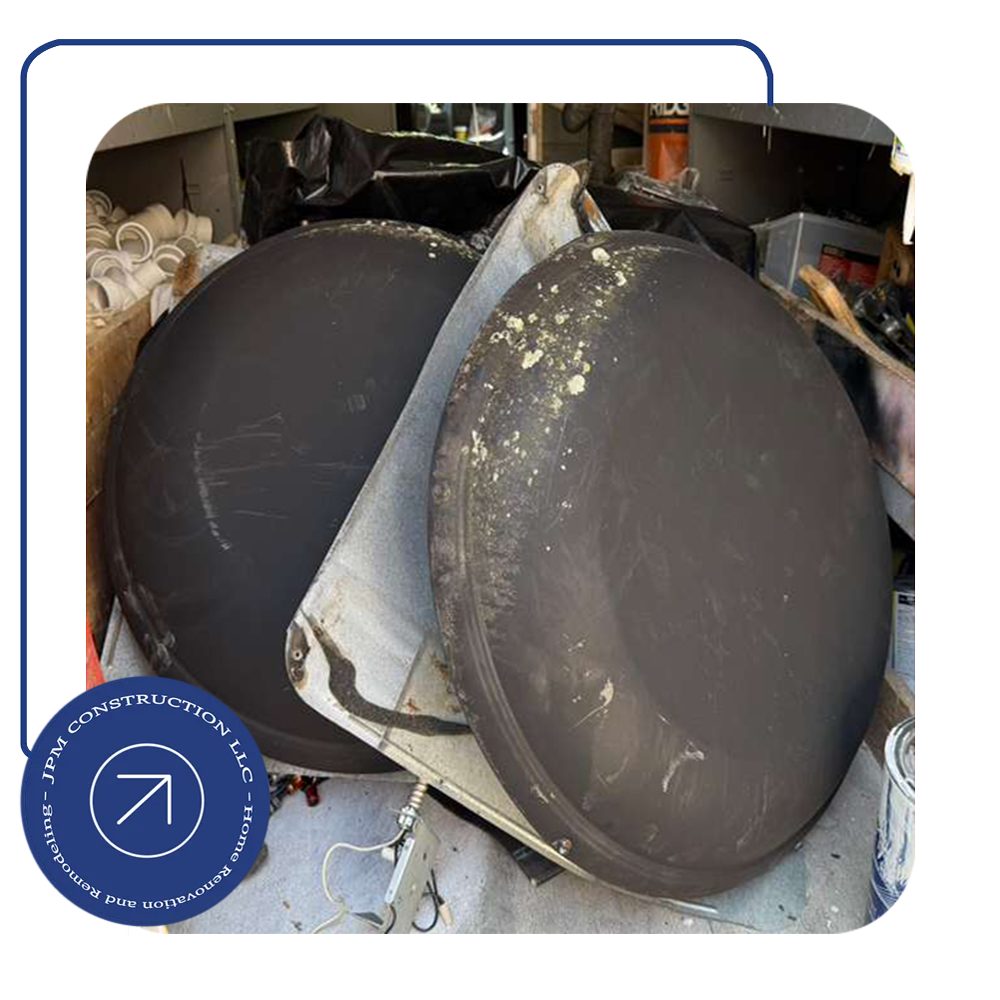
A vented unit installed on the roof with duct connections to the attic.
Smart attic fan:
Connected to Wi‑Fi, these fans offer remote control, schedules, and monitoring for energy efficiency.

Choosing the right fan
CFM rating: Choose a unit with a CFM (cubic feet per minute) appropriate for your attic size. A rule of thumb is to vent 1–1.5 times the attic volume per hour.
Insulation and coverage: Ensure proper insulation around the fan box and seal any gaps to prevent air leaks.
Noise level: Look for models with low sone ratings for quiet operation.
Energy efficiency: Opt for ENERGY STAR-rated or high-efficiency motors to maximize savings.
DIY vs. professional installation
Easy DIY: Smaller attic fans or replacement in an accessible attic may be a doable weekend project with basic wiring and safety precautions.
Professional install: If wiring to a switch or thermostat, or roof penetrations are needed, hire a licensed electrician or contractor.
Maintenance tips
Inspect annually: Check for rust, wiring wear, and vent obstructions.
Clean vents: Remove lint and debris from soffit and roof vents to maintain airflow.
Test performance: Run the fan on hot days to verify it’s exhausting hot air effectively.