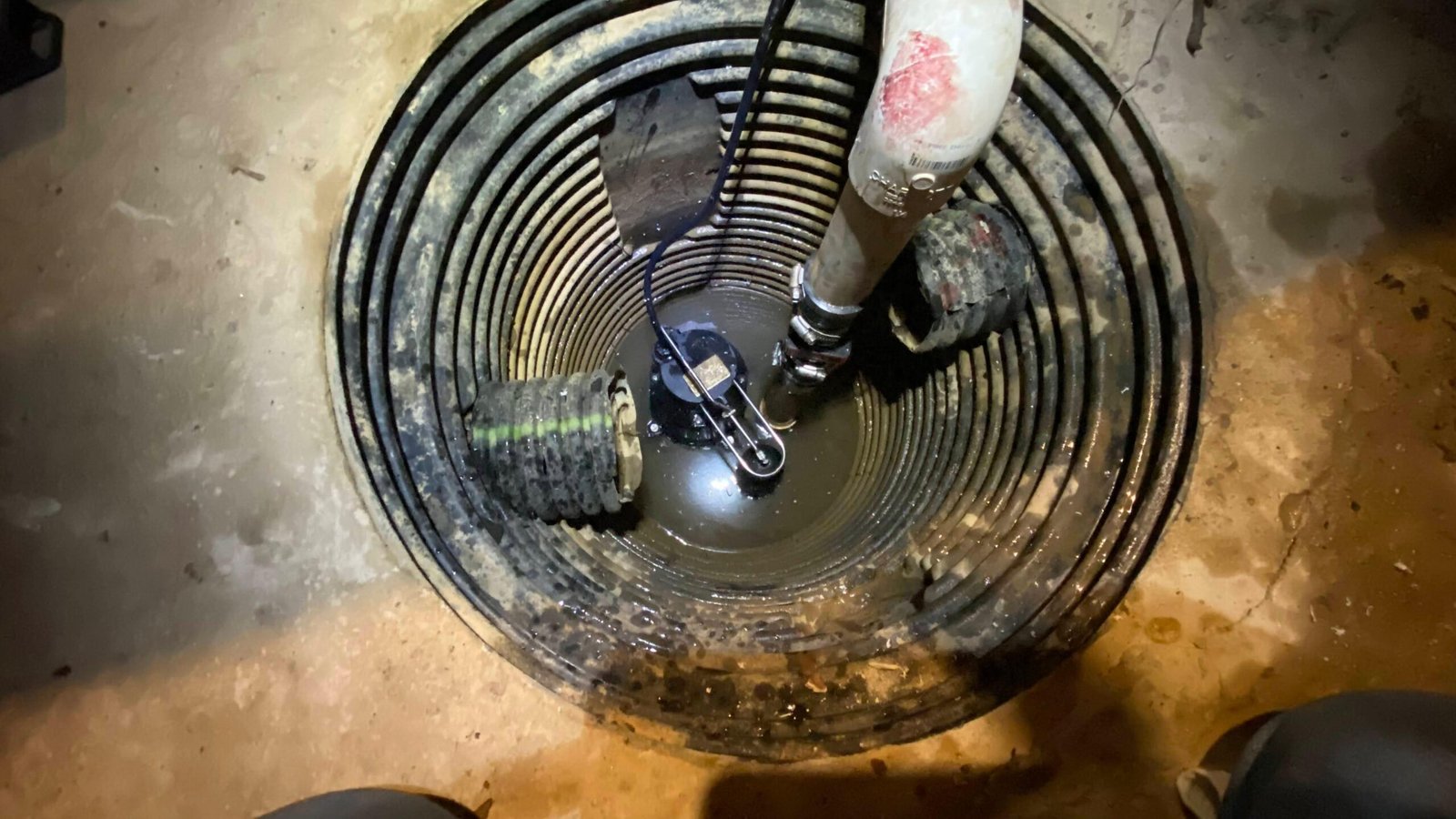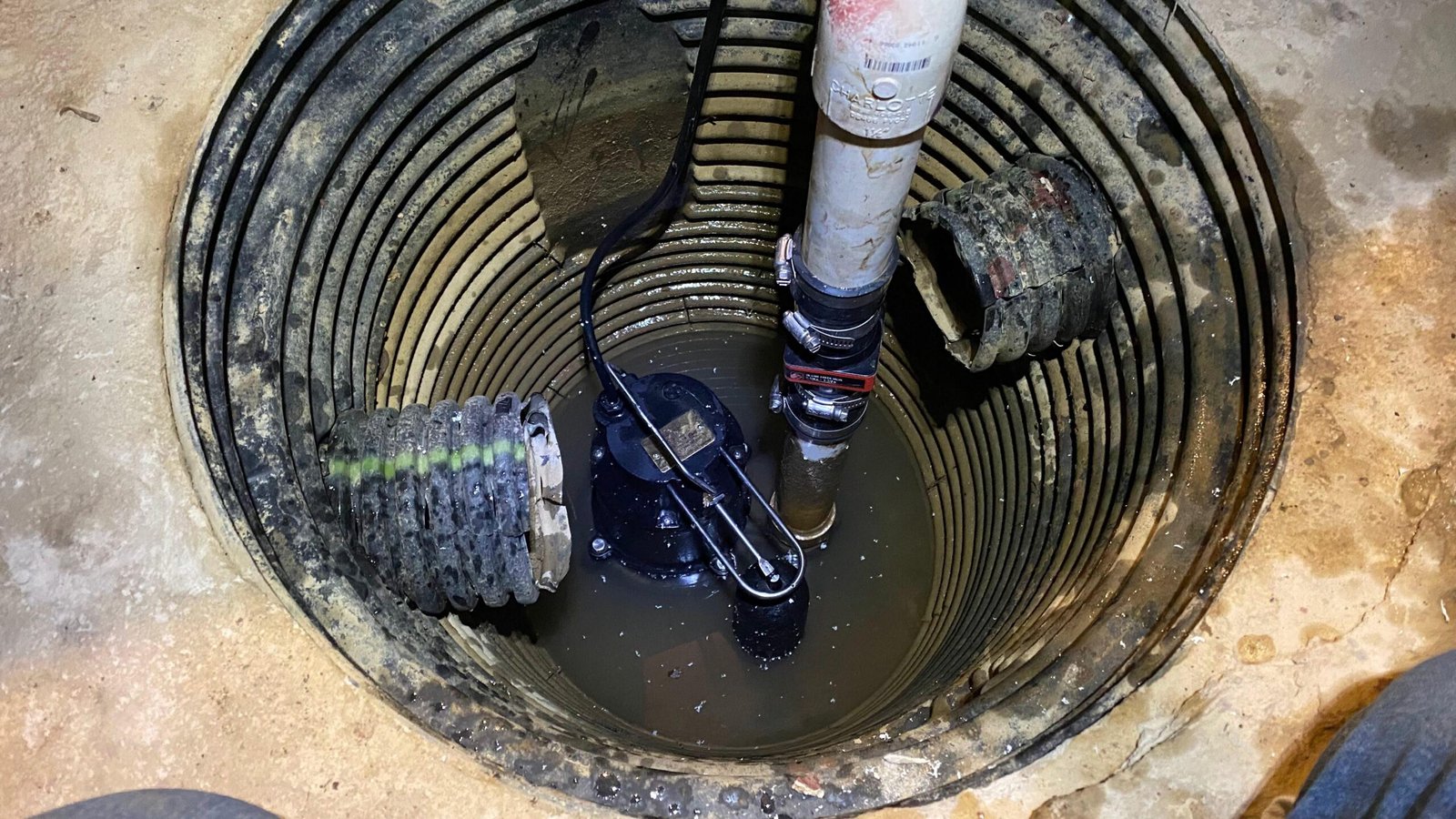

Sump Pump Replacement & Installation
Sump Pump Replacement and Installation
When your basement or crawlspace starts to show signs of excess moisture, a reliable sump pump becomes more than a comfort—it’s a safeguard for your home. This guide covers why replacement matters.
Why replace a sump pump
Aging or failing pumps: Most residential sump pumps last 10–15 years. If yours runs constantly, stalls, or overheats, it’s time for a replacement.
Efficiency and code updates: Modern pumps are quieter, more energy-efficient, and better suited for power outages with battery backups.
Capacity mismatches: As homes add finishes or storage, increased water flow can overwhelm an undersized unit. Upgrading ensures reliable protection.
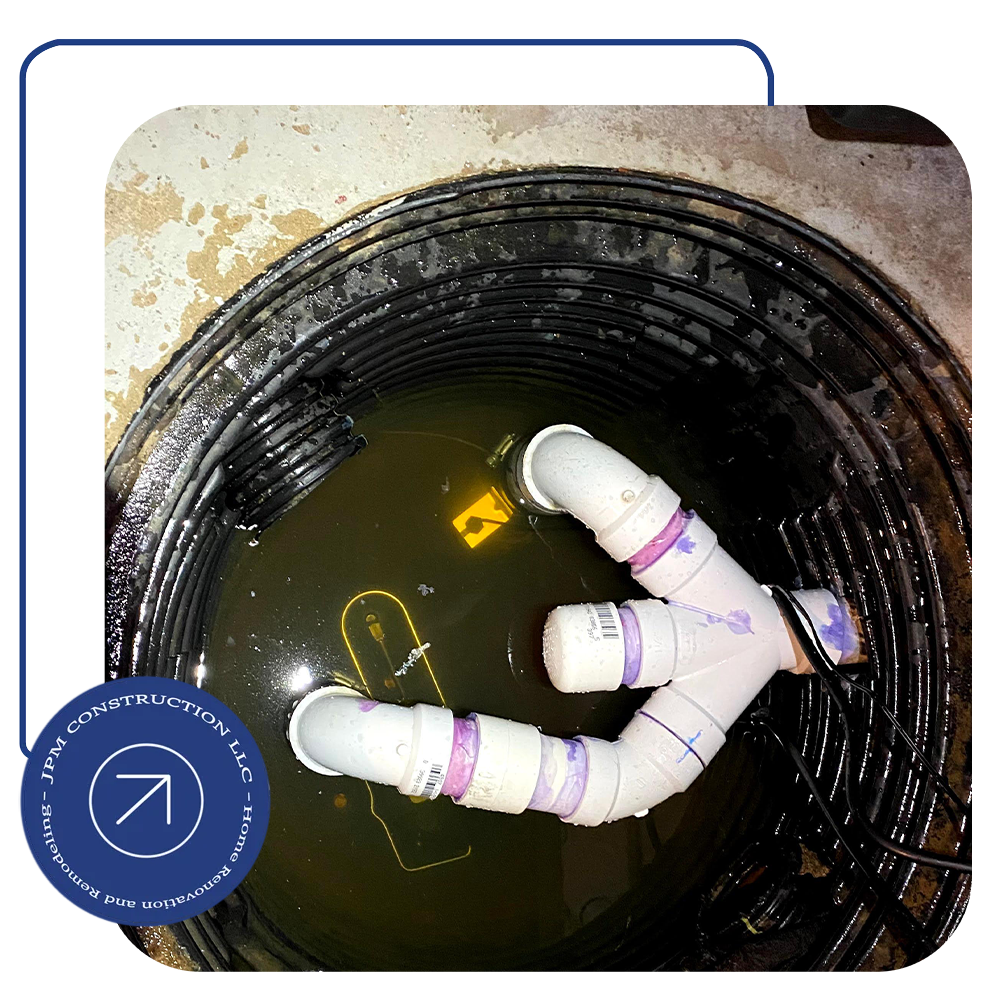
Choosing the right pump
Submersible vs pedestal:
Submersible models sit underwater and tend to be quieter, while pedestal pumps are accessible and affordable.
Pump type:
Check for vertical-line or piston-style mechanisms. In most homes, a submersible, automatic sump pump with a reliable float switch is ideal.
Backup power:
Consider including a battery backup or water-powered backup to guard against outages during storms.
Smart features:
Look for integrated alarms, Wi-Fi monitoring, and water-seal technology to reduce air intrusion and mold risk.
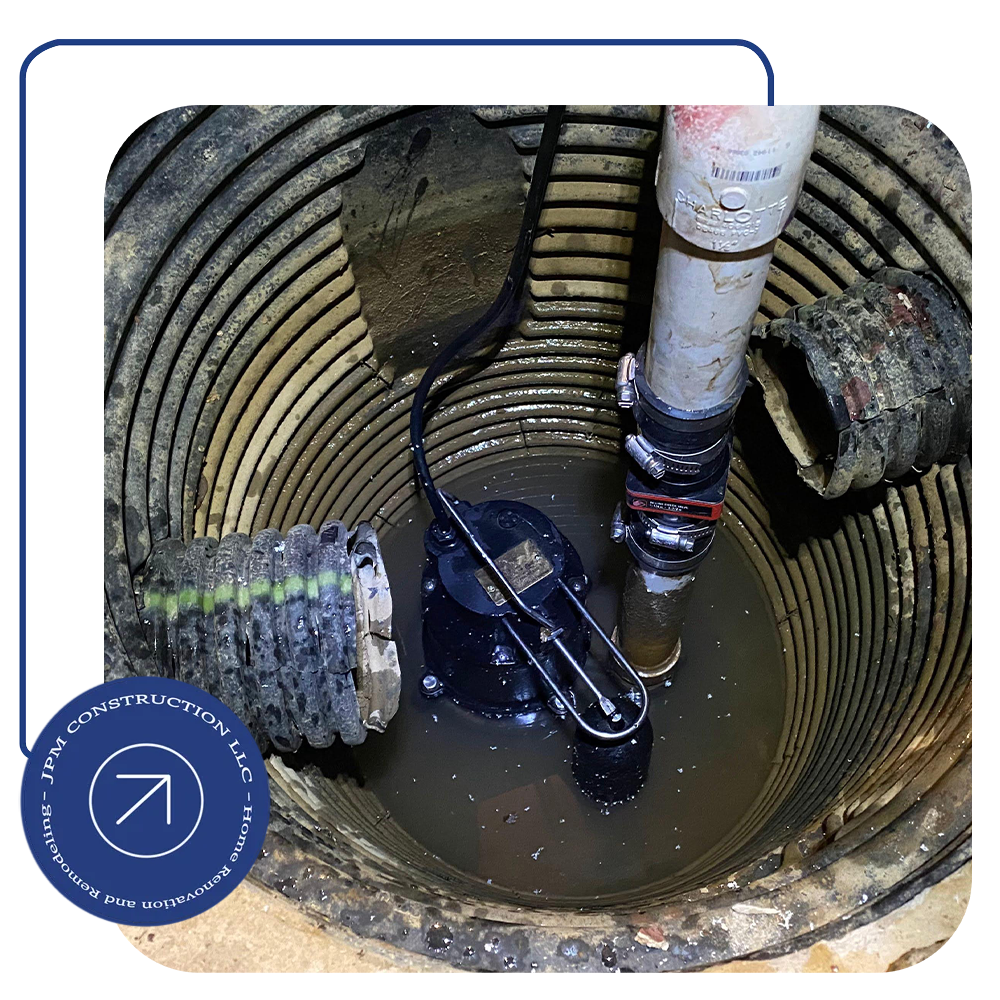
Installation basics
Location and trenching: Install the new pump at the lowest point of the sump pit with proper grouting and sealing to prevent leaks.
Discharge piping: Route water away from the foundation, ideally 10–20 feet, with a below-grade discharge and a check valve to prevent backflow.
Electrical safety: A dedicated, GFCI-protected outlet is essential. Never power a sump pump from a shared circuit.
Commissioning: Test with a controlled water source, confirm automatic on/off cycles, and inspect the discharge for proper flow.
Maintenance tips
- Test monthly and after storms to ensure reliability.
- Clean the intake screen annually to prevent clogs.
- Inspect the discharge line for obstructions and ensure the alarm is functional.