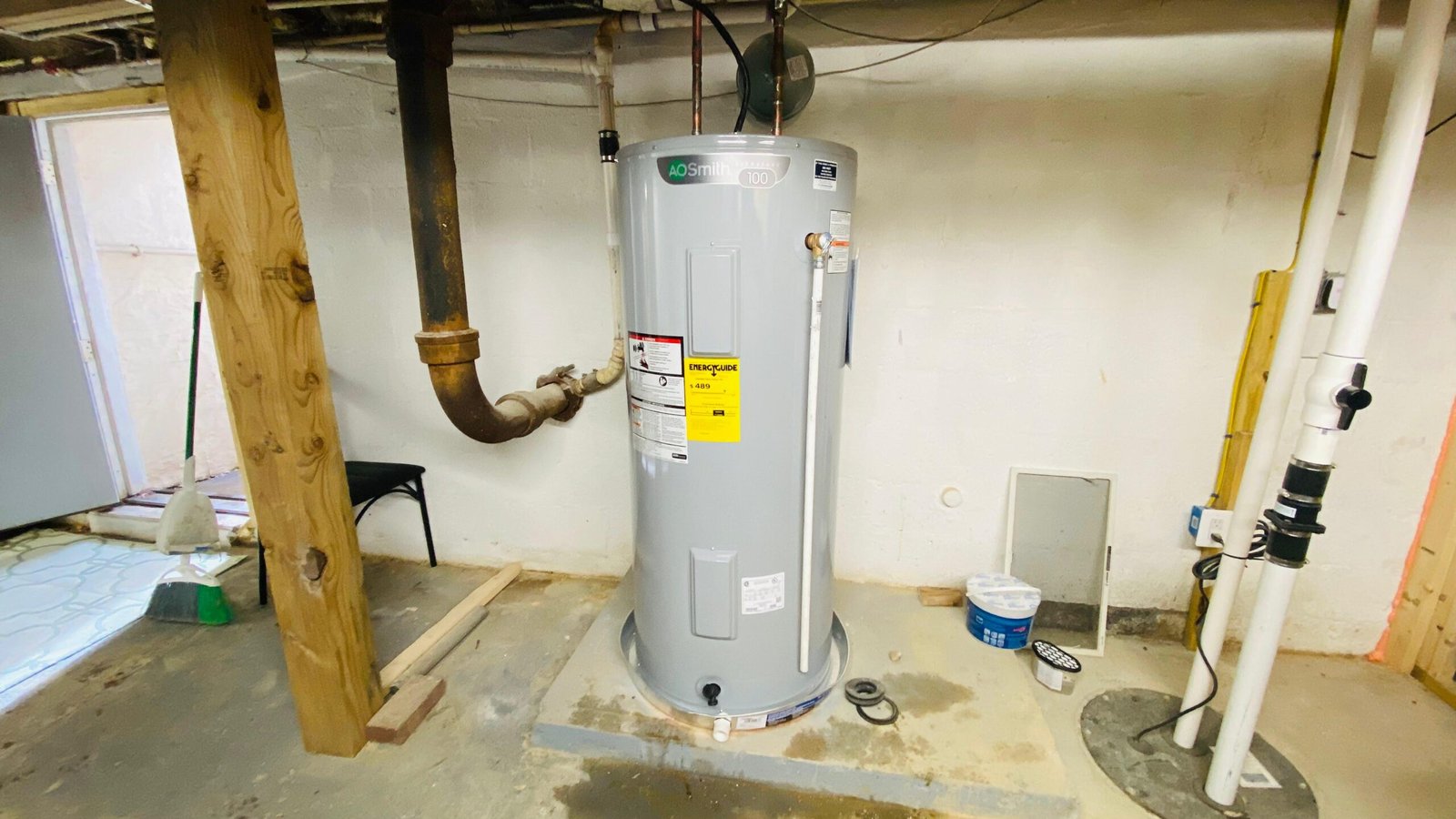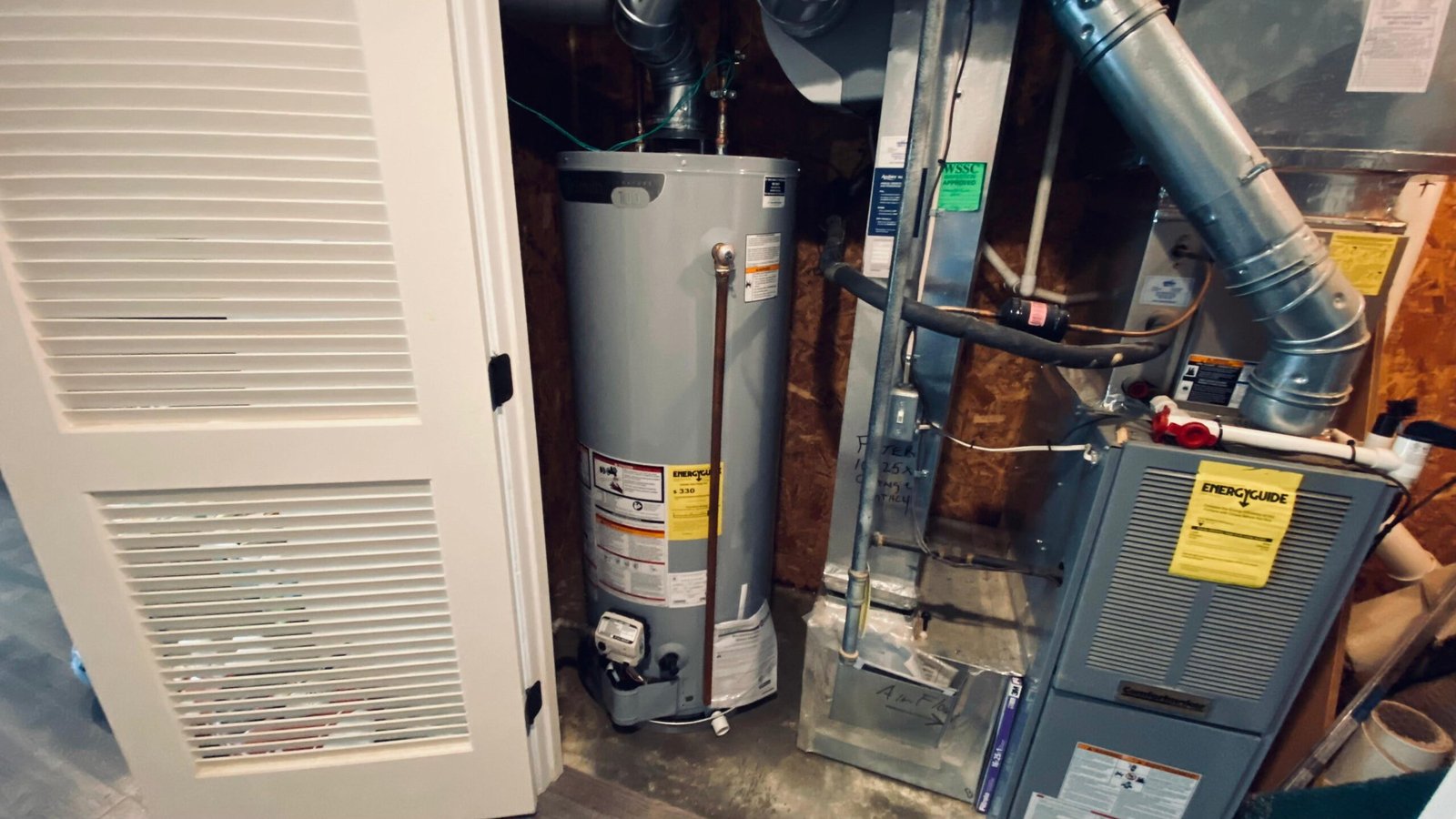

Water Heater Replacement and Installation
Practical Tips for a Safe, Efficient Upgrade
Replacing a water heater is a smart move for energy efficiency, reliability, and comfort. Whether you’re upgrading to a tankless model or a modern high-efficiency storage unit, these tips will help you plan a safe, cost-effective installation.
Choose the Right Type and Size
Storage tank water heaters are reliable and cost-effective for families with higher hot-water demand.
Tankless (on-demand) models save space and energy but may require a larger gas line or 240V electrical circuit.
Sizing matters: For storage tanks, calculate first-hour rating (FHR) based on peak hot-water needs. For tankless, consider gas vs. electric flow rate (gpm) at your climate’s incoming water temperature.
Check Energy Efficiency and Costs
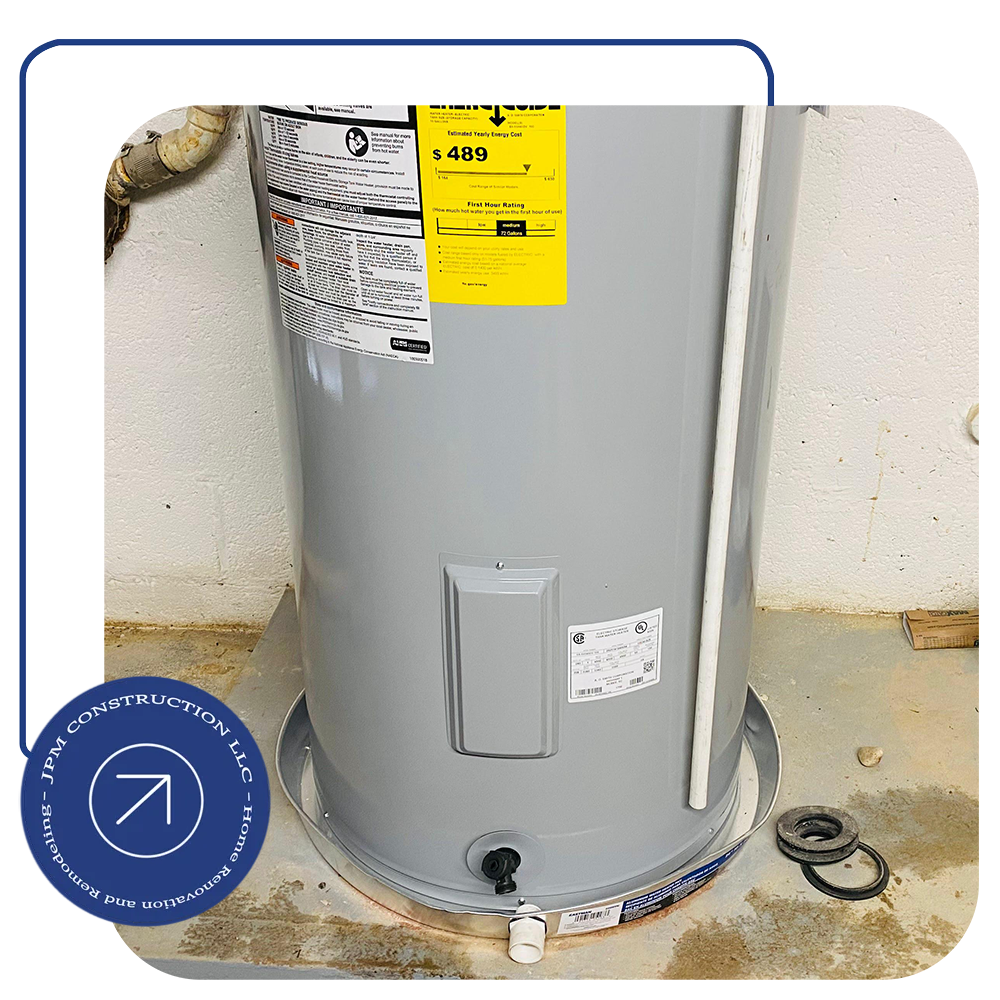
Look for Energy Star-rated units and compare Uniform Energy Factor (UEF) or Energy Factor (EF). While tankless units often have higher upfront costs, they can pay off over time through lower operating costs, especially in homes with moderate to high hot-water usage.
Plan the Installation Layout
Ensure available clearance for maintenance and venting (gas models) or combustion air. If replacing a gas unit, verify venting compatibility and exhaust termination locations. For electric systems, confirm circuit capacity and wiring; a dedicated 30–60A circuit is common for larger electric tanks or tankless units.
Safety and Code Compliance
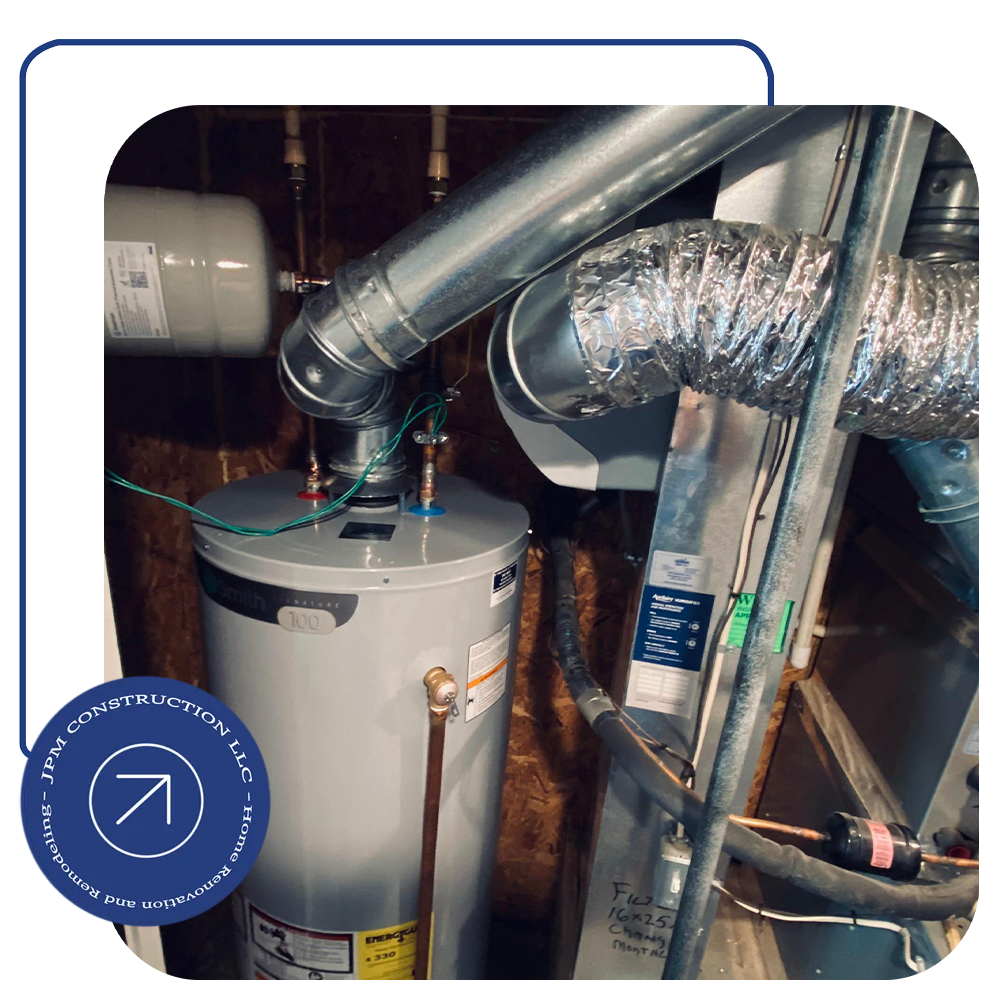
Hire a licensed plumber or contractor. Proper seismic strapping, pressure-relief valve installation, and thermal expansion considerations are essential. Always adhere to local codes and obtain necessary permits.
Efficiency-Boosting Upgrades
Install a high-efficiency, condensing model for gas heaters.
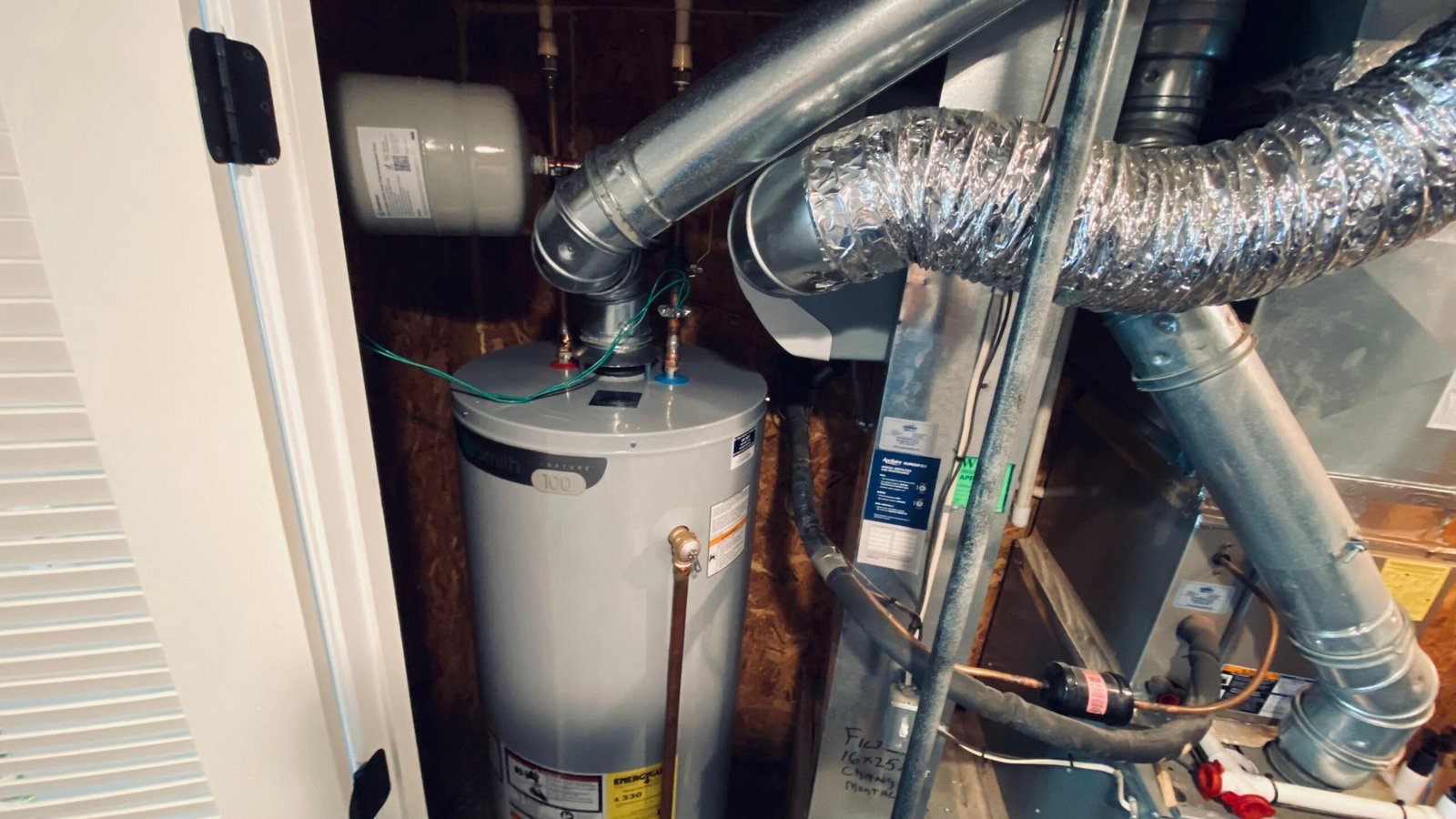
Add an expansion tank to manage pressure fluctuations.
Consider a recirculation system for instant hot water and reduced water waste.
Maintenance that Matters
Drain and flush the tank annually, inspect the anode rod, and check the temperature setting (most homes find 120°F balanced for comfort and energy use).
Bottom line: The right water heater depends on your house size, hot-water demand, and budget. A professional assessment ensures safe installation, code compliance, and long-term energy savings.