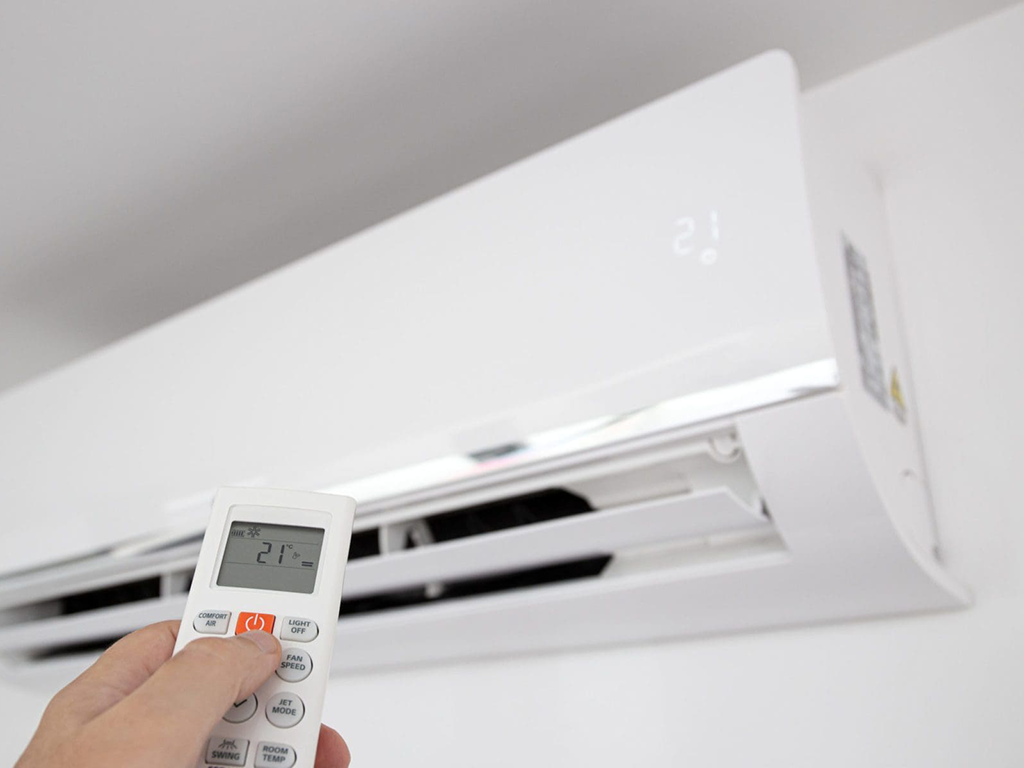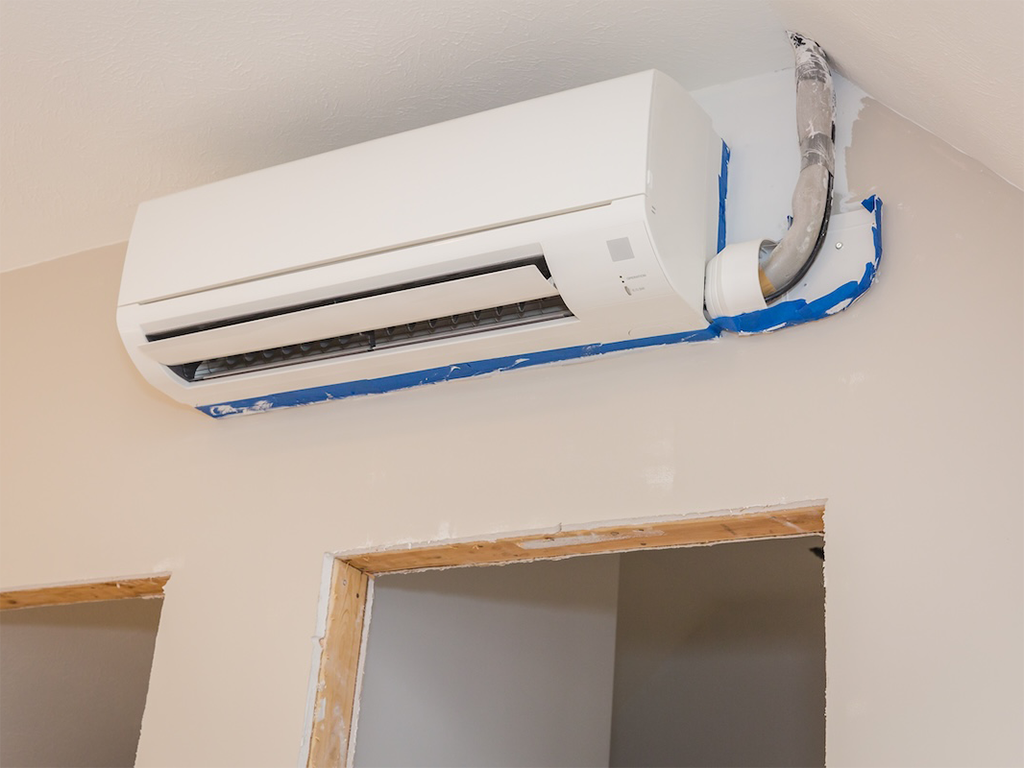

Mini Split Air Conditioner Replacement and New Installations
What to Know of Cool Comfort
If you’re upgrading or installing a mini split system, you’re choosing a flexible, energy-efficient cooling solution for homes and small businesses. Whether you’re replacing an aging unit or installing a new setup, understanding the process, benefits, and what to expect can save time, money, and headaches. Here’s a concise guide to help you plan a successful mini split replacement or new installation.
Why choose a mini split system
Mini split air conditioners are compact, ductless systems that deliver zone-controlled cooling. They’re ideal for retrofits, additions, sunrooms, and spaces where ductwork isn’t practical. Advantages include:
Energy efficiency: Zoned cooling reduces wasted energy by targeting occupied rooms.
Easy installation: No ducts needed, minimizing home disruption.
Versatility: Indoor units mount on walls or ceilings; outdoor condensers sit outside, connected by slim refrigerant lines.
Quiet operation: Modern mini splits are designed for low noise.

When to consider replacement?
A smart approach to replacement is to weigh efficiency, repair costs, and comfort.
If your current system is:
Over 10–15 years old with rising energy bills
Requiring frequent repairs or refrigerant top-ups
Inconsistent cooling or trouble with hot/cold spots
Incompatible with modern smart thermostats or energy-saving features
A mini split replacement can deliver better performance and cost savings over time.
Key steps for replacement or new installation
Site assessment: A trained technician evaluates space cooling needs, insulation, window orientation, and where outdoor condenser placement minimizes noise and maximizes efficiency.
Sizing and design: Properly sized mini splits prevent short cycling and ensure even comfort. A pro uses Manual J calculations and considers future additions or changes.
Equipment selection: Choose efficiency levels (SEER ratings), refrigerant type, indoor unit styles (wall-mounted, ceiling cassette, or floor-mounted), and outdoor unit capacity. Higher SEER means lower operating costs over time.
Installation: Correct refrigerant charge, secure mounting, proper insulation of the line set, and secure electrical connections are crucial. The outdoor unit should have adequate clearance for airflow.
Controls and zoning: For new installations, consider a smart thermostat and zoning capabilities to customize comfort per room or area.
Permits and codes: Ensure compliance with local electrical codes, refrigerant handling rules, and any required permits.
By planning carefully and choosing the right system, a mini split replacement or new installation can deliver efficient, customizable comfort for years to come.
What to ask your installer
What SEER rating do you recommend for my climate and usage?
How many indoor units will be needed to cool my space effectively?
Can this system be integrated with a smart thermostat or home automation?
What is the projected energy savings vs. my current system?
What warranty and maintenance plan do you offer?