

Professional Wooden Fence Installation
Expert Tips for a Durable, Beautiful Fence
When planning professional wooden fence installation, expertise matters as much as quality materials. A well-built fence enhances curb appeal, increases privacy, and stands up to weather for years. Here are actionable tips to ensure a durable, attractive fence from ground to finish.
Plan with purpose (fence design and layout)
Assess purpose and style: privacy, security, or decorative. Choose compatible designs (board-on-board, picket, or rail-and-post) to match your property and HOA guidelines.
Check setbacks, easements, and utility lines before digging. A professional will map accurate measurements to avoid setbacks and future headaches.
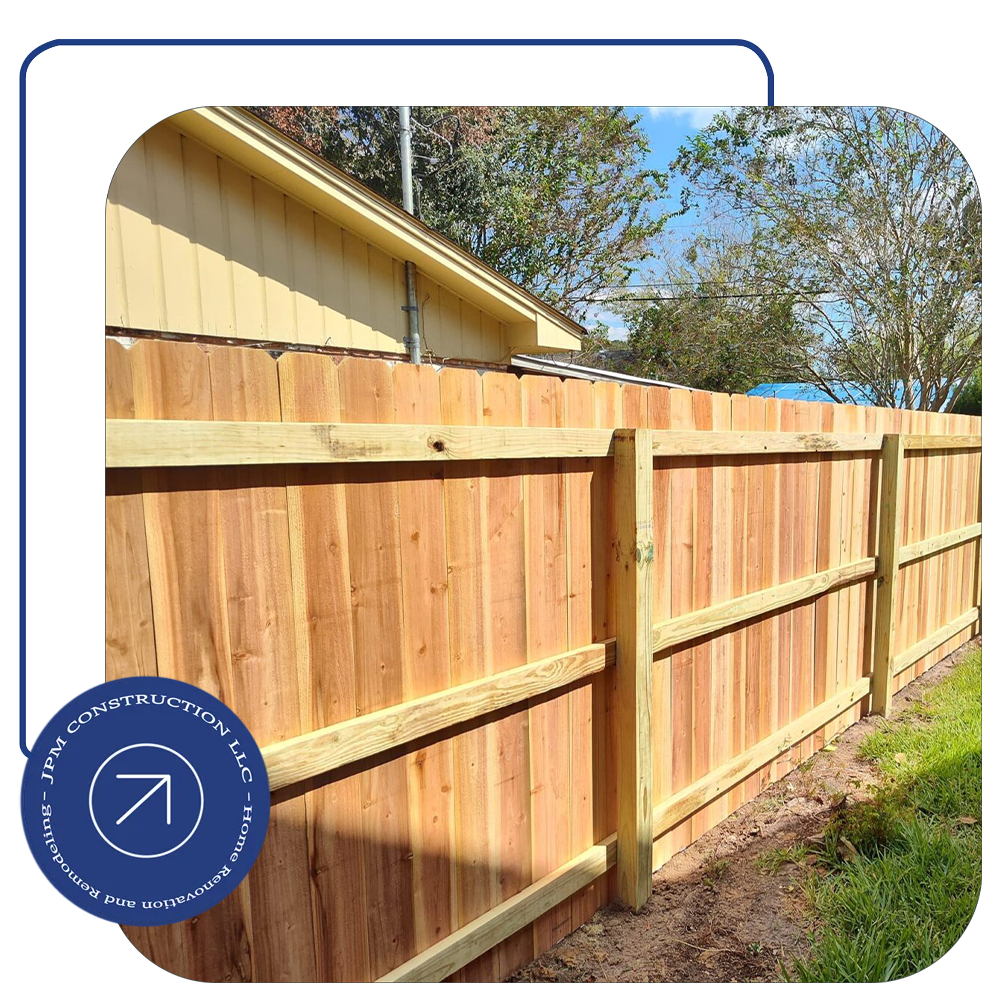
Choose the right wood and hardware
(pressure-treated lumber, cedar fencing)
Wood selection matters:
Pressure-treated pine is budget-friendly and durable, while cedar offers natural resistance to decay and insects and a premium look.
Use corrosion-resistant hardware:
Stainless steel or hot-dip galvanized nails and screws prevent rust and staining.
Seal or stain:
Apply a high-quality sealant or semi-transparent stain to protect against moisture and UV damage.
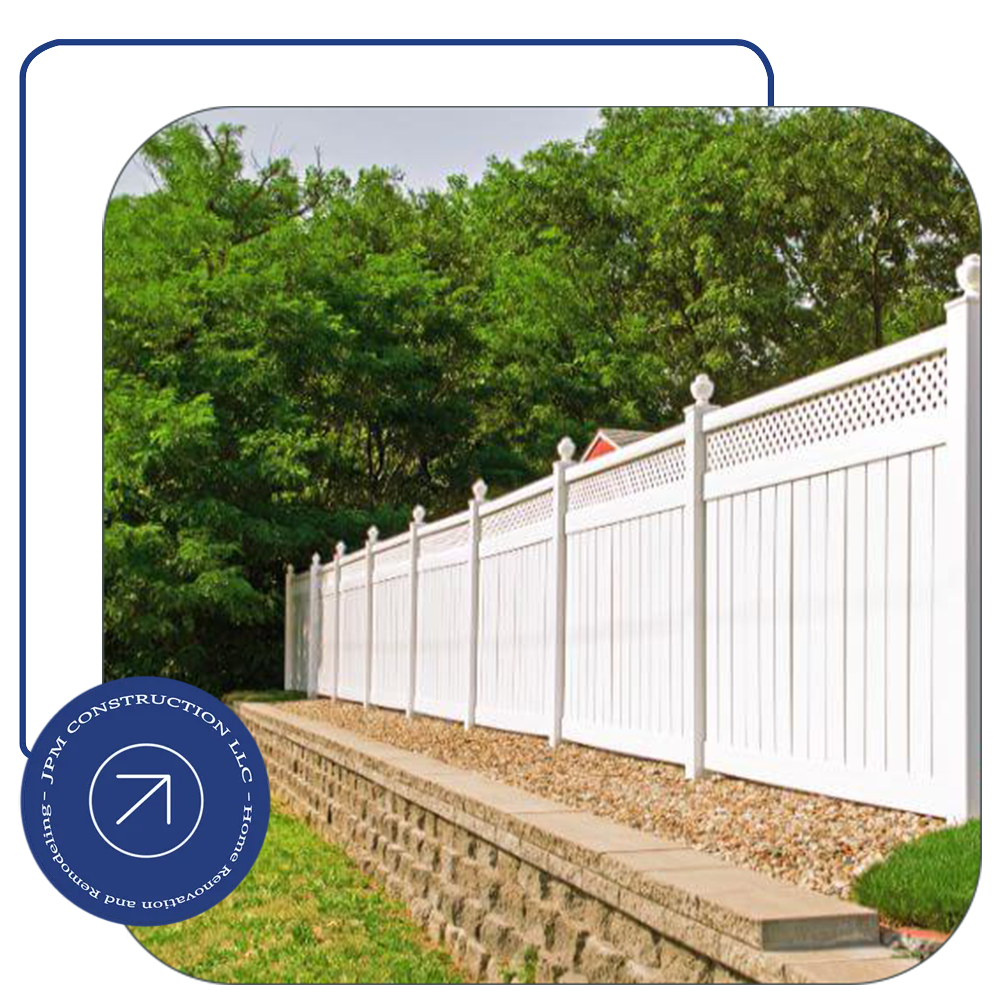
Prepare the site properly (fence installation process)
Clear the area of debris and level the ground where posts will go.
Mark post placements with string lines and stakes to ensure straight runs and uniform gaps.
Plan post depth: typically 1/3 of post length in the ground, plus crushed gravel for drainage.
Post setting and alignment (post installation)
Use concrete for secure footing, but avoid excessive weight on leaning posts during curing.
Check vertical alignment with a level and adjust as concrete sets.
Use fixed braces during installation to keep sections square and plumb.
Gate fitting and ventilation (gate installation tips)
Install sturdy hinges, a quality latch, and consider a self-closing mechanism.
Ensure door gaps allow water drainage and airflow to prevent warping.
Finishing touches and maintenance (fence maintenance)
Routine cleaning, re-staining every 3–5 years, and inspecting for loose boards extend life.
Address rot promptly and replace damaged components to maintain structural integrity.
Professional wooden fence installation yields lasting beauty and value when you plan carefully, choose the right materials, and follow precise installation steps. For best results, partner with a licensed contractor who follows industry standards and local codes.