

Drywall Installing
Tips for Taking Care of Your Drywall and Installing It Properly: Where to Start When Making a Smooth Wall
The drywall is only about half of the project – proper care is necessary before, during, and after installation to avoid damage, cracks, or the high cost of repair work. If you are a DIY homeowner or a contractor, you can use these tips for taking care of the drywall before you install it, during, and after you install it to create smoother walls that last.
Prepare the Area for Success
Control humidity in the area where you are installing the drywall, and control temperature. Since drywall is very “moisture-sensitive,” you should store the drywall flat in a dry location and give it at least 24 hours to acclimate to the indoor environment. You should also heat or ventilate the area where you are creating the drywall panels to limit the amount of expansion and contraction that can create joints with cracks.
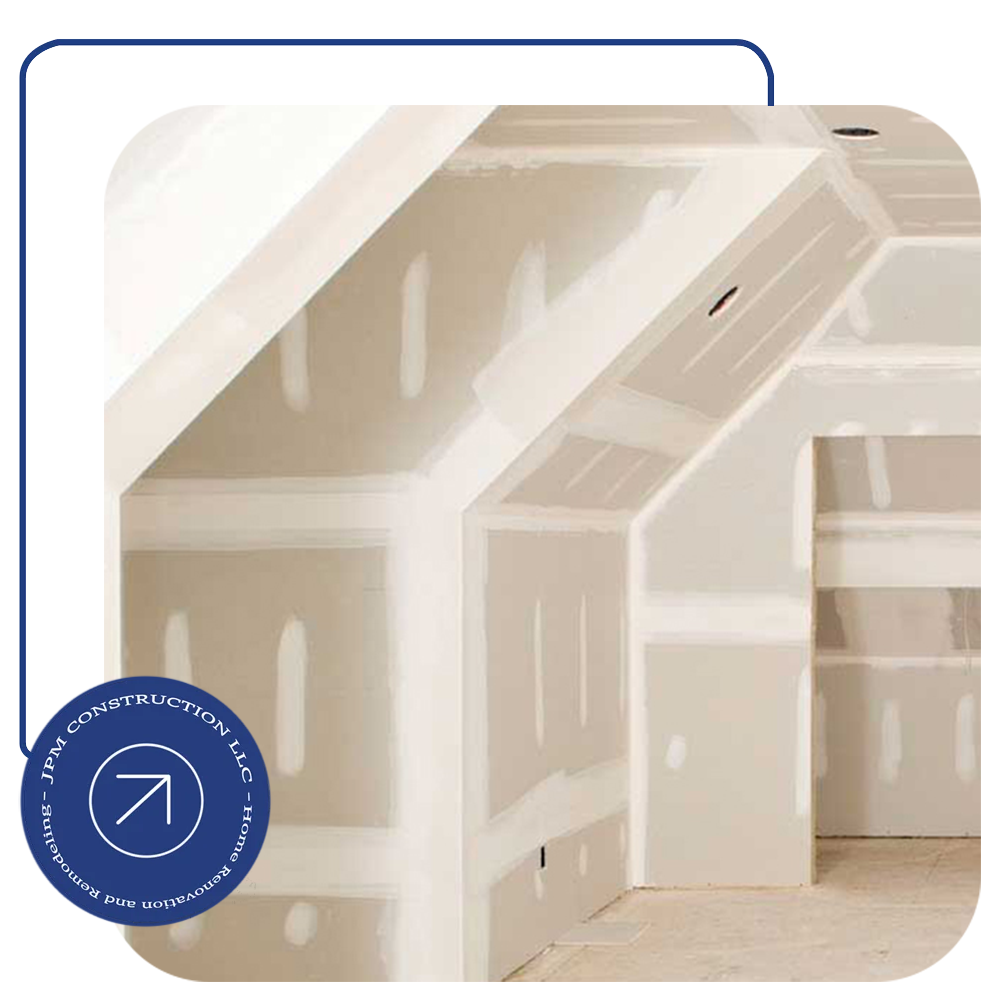
Treat Drywall as a Delicate Item — Because It Is
Be sure to use the proper lifting techniques and do not drag or slide the sheets across solid surfaces, such as concrete floors. Broken edges or corners of drywall sheets are common sources of uneven seams. When carrying drywall sheets, keep them vertical and straight to minimize bending or breaking during movement.
Double Check Before You Cut
When laying out your walls, try to use all the materials that you can. Make sure all joints align with the framing—if possible. Use a good utility knife to score the drywall before breaking it. If you do support the drywall when you break (cut) it. This will prevent tearing when you break the drywall. When cutting drywall for openings (like outlets and switches), you should use either a drywall cutout tool or a fine-tooth saw. This will give you the most accuracy.
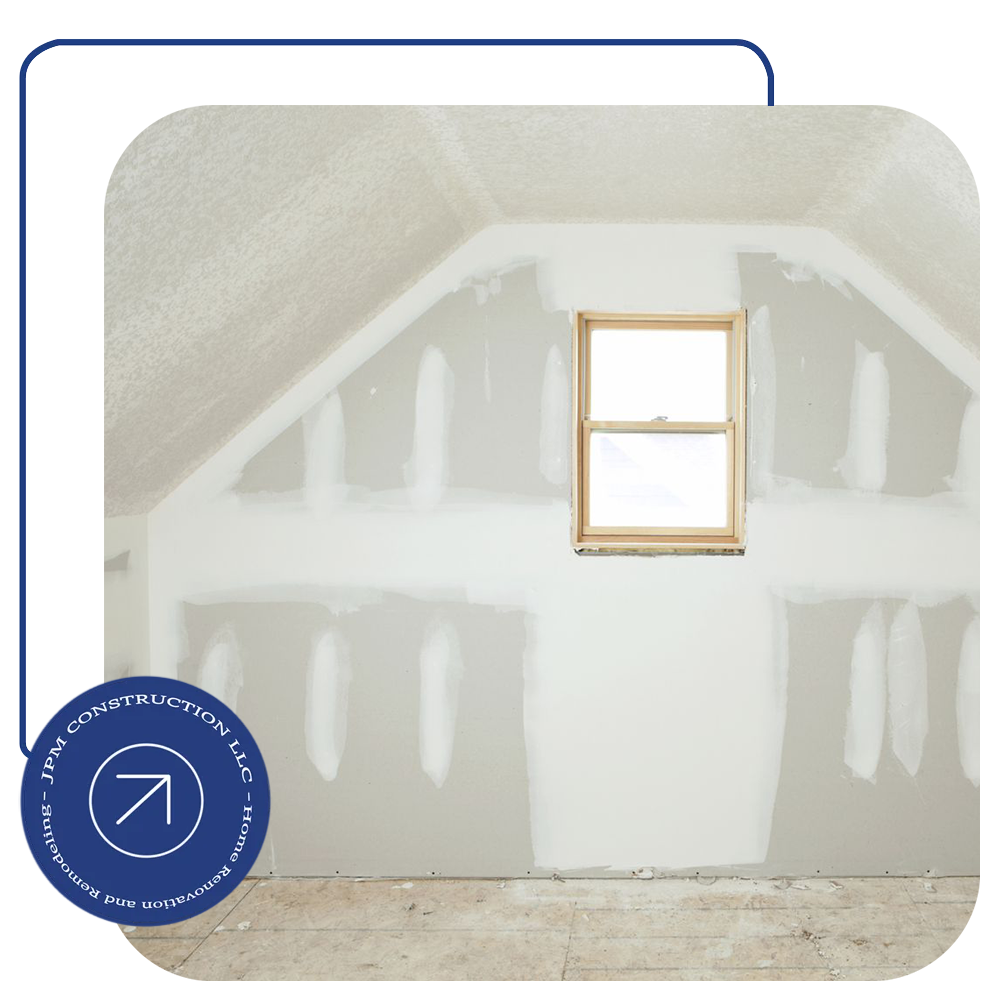
How To Install Drywall For Strong Joints
Drywall screw spacing is very important. Always follow the manufacturer’s specs. Make sure all screws are seated properly; over-driving the screw may weaken the paper face, and under-driving may cause the screw to “pop” out later on. It is also recommended to leave a small gap between the ceiling and floor to allow for slight movement and to prevent moisture absorption (wicking).
Caring For Your Wall After Drywall Installation
Don’t rush the finishing. Make sure the joint compound is completely dry before sanding. Be sure to clean (remove dust) between coats of joint compound. Seal with primer and paint to minimize moisture absorption. For longevity, maintain consistent humidity levels in your home and repair any small chips or dents with spackling or spot touch-ups early.
With the proper storage, cut properly, fasten correctly, and finish mindfully, your walls will look great and last for many years.